Iranian Psychoanalyst & Psychotraumatologist
À propos de
Prestations de service
Psychanalyse Individuelle
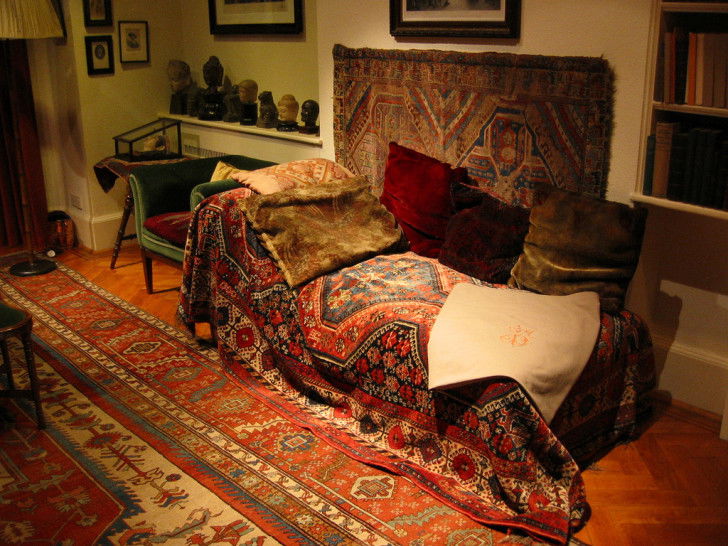
Psychoanalytic psychotherapy is a talking therapy based on saying whatever is going through your mind. This helps you become aware of hidden meanings or patterns in what you do or say that may contribute to your problems. Many people come to us because they feel they are trapped by their past and want to talk it through with someone. We provide a safe, personal space where you can talk about yourself and what troubles you, to try to understand the connections and patterns of your experiences.
En savoir plus
Psychanalyse en ligne
Online Psychoanalysis: Fast, secure & confidential therapy to help you understand & manage life's challenges. Get the help you need, anytime, anywhere.
En savoir plus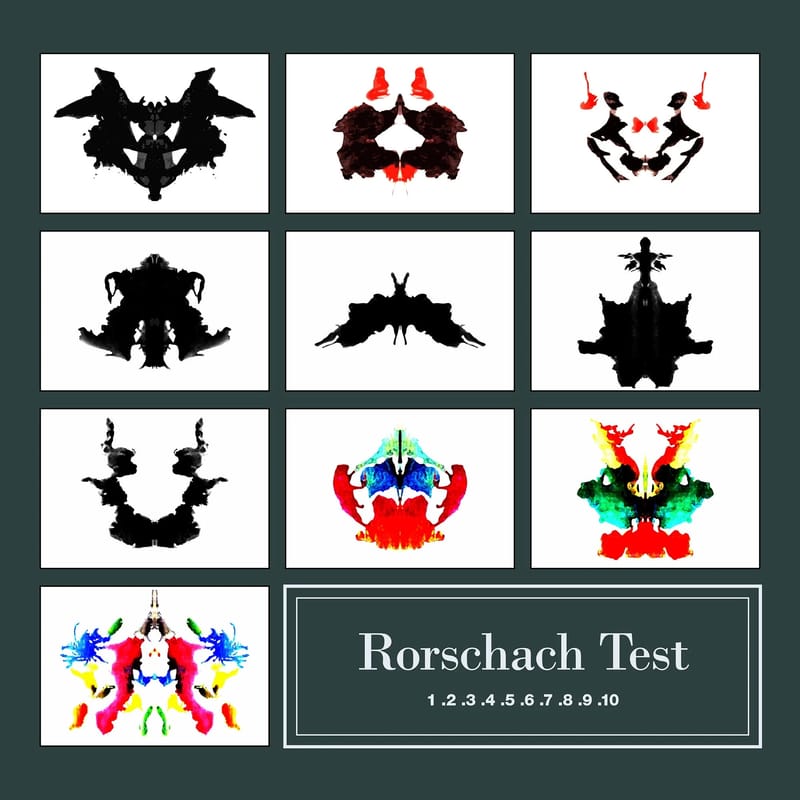
Online Comprehensive Mental Health Assessments In Farsi/Persian: Projective Tests ,MMPI-2, MCMI-III, and IQ Tests
Si vous recherchez un service complet d’évaluation de la santé mentale en farsi/persan, vous êtes au bon endroit ! Nos experts utilisent les tests MMPI-2, MCMI-III et IQ pour effectuer des évaluations approfondies et vous fournir des explications détaillées. Nos professionnels parlant couramment le farsi/persan vous guideront tout au long du processus d'évaluation, garantissant des résultats précis et des informations précieuses sur votre santé mentale. Faites le premier pas vers l’atteinte du bien-être mental en profitant dès aujourd’hui de notre service d’évaluation complet !
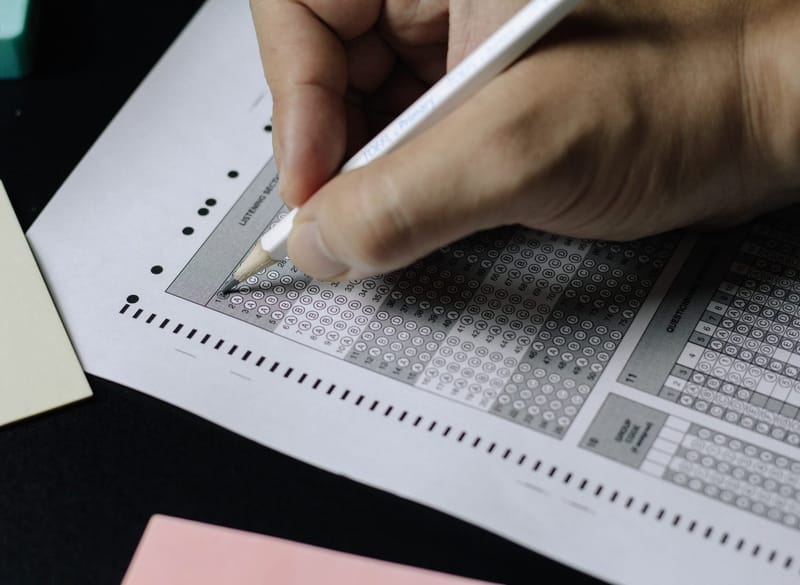
Expertise en contextes juridiques et services d’évaluation psychologique complète
Notre équipe spécialisée se consacre à l’application méticuleuse des connaissances scientifiques et des méthodologies rigoureuses, démêlant de manière transparente le réseau complexe d’enquêtes juridiques qui émergent dans des contextes criminels, civils, contractuels et judiciaires divers. Affaires pénales : de l'évaluation de la compétence à subir un procès en passant par l'exploration des subtilités de l'impact psychologique dans les scénarios criminels, notre équipe fournit des informations qui soutiennent les procédures judiciaires. Conflits civils : nos évaluations apportent une dimension psychologique aux affaires civiles, mettant en lumière les capacités cognitives, les traits de personnalité, etc. Questions contractuelles : Nous offrons une expertise dans l’évaluation des facteurs psychologiques pouvant influencer les procédures contractuelles. Contextes judiciaires : Qu'il s'agisse d'une situation judiciaire spécialisée, la compétence de notre équipe couvre divers contextes juridiques.
En savoir plusNouvelle arrivee
FAQ
Qu'est-ce que la thérapie psychanalytique ?
Quels sont les avantages de la thérapie psychanalytique ?
- Focuses on emotions. Where CBT is centered on cognition and behaviors, psychoanalytic therapy explores the full range of emotions that a patient is experiencing.
- Explores avoidance. People often avoid certain feelings, thoughts, and situations they find distressing. Understanding what a client is avoiding can help both the psychoanalyst and the client understand why such avoidance comes into play.
- Identifies recurring themes. Some people may be aware of their self-destructive behaviors but unable to stop them. Others may not be aware of these patterns and how they influence their behaviors.
- Exploration of past experienced. Other therapies often focus more on the here-and-now, or how current thoughts and behaviors influence how a person functions. The psychoanalytic approach helps people explore their pasts and understand how it affects their present psychological difficulties. It can help patients shed the bonds of past experience to live more fully in the present.
- Explores interpersonal relationships. Through the therapy process, people are able to explore their relationships with others, both current and past.
- Emphasizes the therapeutic relationship. Because psychoanalytic therapy is so personal, the relationship between the psychoanalyst and the patient provides a unique opportunity to explore and reword relational patterns that emerge in the treatment relationship.
- Free-flowing. Where other therapies are often highly structured and goal-oriented, psychoanalytic therapy allows the patient to explore freely. Patients are free to talk about fears, fantasies, desires, and dreams.
À quoi la thérapie psychanalytique peut-elle aider
- La thérapie psychanalytique peut être utilisée pour traiter un certain nombre de troubles psychologiques différents, notamment :
- Anxiété
- Dépression
- Luttes émotionnelles ou traumatismes
- Problèmes d'identité
- Problèmes d'estime de soi
- Affirmation de soi
- Troubles psychosomatiques
- Problèmes relationnels
- Comportement autodestructeur
- Problèmes sexuels
Quelles sont les Techniques ?
- Dream interpretation: According to Freud, dream analysis is by far the most important psychoanalytic technique. He often referred to dreams as "the royal road to the unconscious." 1 Psychoanalysts may interpret dreams to get insight into the workings of your unconscious mind.
- Free association: Free association is an exercise during which the psychoanalyst encourages you to freely share your thoughts. This can lead to the emergence of unexpected connections and memories.
- Transference: Transference occurs when you project your feelings about another person onto the psychoanalyst. You'll then interact with them as if they were that other person. This technique can help your psychoanalyst understand how you interact with others.
Symptom Reduction&Lasting Improvements
Une étude de l'efficacité des thérapies psychanalytiques à long terme a révélé des taux de réussite modérés à élevés pour réduire les symptômes d'une variété de psychopathologies.
Une revue d’études réalisée en 2021 a révélé que la thérapie psychanalytique à court terme entraînait des améliorations durables des symptômes somatiques, des symptômes dépressifs et des symptômes anxieux.
Les personnes qui reçoivent un traitement psychanalytique ont tendance à conserver ces acquis. La plupart continuent de s’améliorer même après la fin du traitement. D’un autre côté, les bénéfices des autres thérapies fondées sur des données probantes ont tendance à diminuer avec le temps.
Une revue de 2010 publiée dans l'American Psychologist a suggéré que la thérapie psychanalytique était aussi efficace que les autres thérapies fondées sur des preuves.
Efficacité?
Le succès dépend souvent de la capacité à faire face à des expériences potentiellement stressantes ou déclenchantes. Même si certains critiques ont ridiculisé les taux de réussite de la thérapie psychanalytique, les recherches suggèrent que la thérapie psychanalytique à long et à court terme peut traiter efficacement toute une gamme de pathologies.3
La thérapie psychanalytique à long terme est généralement définie comme une durée d'un an ou de 50 séances. La thérapie psychanalytique à court terme, en revanche, est définie comme moins de 40 séances ou moins d'un an de traitement.
Comment commencer?
Si vous pensez que vous ou quelqu'un que vous aimez bénéficieriez d'une thérapie psychanalytique, la première étape est de réserver une séance avec moi par e-mail via ce site.
Combien coûtent les frais ?
Planifier la réservation
Réservez facilement votre prochaine réunion de conseil. Prenez rendez-vous en quelques clics !
- Catégorie : Affaires
- Durée du service : 30 minutes
- Emplacement:Lien en Ligne
- Prix :0.0₺
Contact
- Province d'Ispahan, Iran
- Adresse : Complexe médical Dr. Bornamanesh's Office Park, 3e étage, entrée 5, unité 592, rue Chaharbagh Bala, Ispahan, Iran. Téléphone : +98 31 3666 0831, +98 31 3666 0832, +98 900 108 2480
 +undefined-9138238184 - Réponse rapide via WhatsApp pour les séances de thérapie en ligne
- bornamanesh@gmail.com
- Lun-ven - 08: 00-19: 00
Bureau privé